

Beyond the Saxophone: The Wild and Wonderful World of Adolphe Sax's Inventions
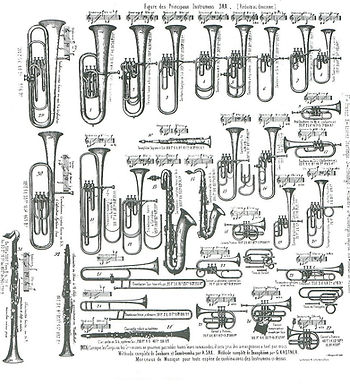
Adolphe Sax was a determined innovator. Before he revolutionized music with the
invention of the saxophone, he successfully patented a series of valved brass instruments
known as saxhorns. These instruments came in various sizes and configurations including an over-the shoulder model that played a significant role during the American Civil War. Imagine an instrument slightly larger than a trumpet, designed to curve around so that it pointed behind the player while they performed. This unique design ensured that the bell of the instrument faced troops marching behind, allowing them to hear the music clearly.
When we discuss Sax, it's crucial to note that his development of the saxhorn family
sparked a wave of lawsuits. Competitors claimed that saxhorns were mere adaptations
of existing instruments like the euphonium or flugelhorn. However, Sax prevailed in these legal battles time and again, solidifying his legacy in the music world. Yet, despite his victories in court, his rivals ultimately triumphed in a more significant battle: the relentless lawsuits drained his finances, repeatedly pushing him into bankruptcy. Sax's determination and creativity were undeniable, but the legal challenges he faced took a heavy toll on his fortunes.
Sax's unwavering determination to innovate brass instruments led to the creation of the
remarkable saxtuba. This extraordinary instrument draws inspiration from the ancient
Roman cornu and tuba, incorporating a design that features both half-tube and whole-tube variations to produce a range of pitches. The saxtuba made a memorable debut in Fromental Halévy's opera Le Juif errant, marking a significant milestone in the world of music. While Adolphe Sax was not solely responsible for the research on its predecessors, his groundbreaking introduction of discrete valves to natural brass instruments revolutionized their ability to play chromatic passages. By 1859, the saxtuba exemplified this innovation with six independent valves. To our misfortune, there is only one other recorded instance of this unique instrument's use, which occurs in Act V of Judgment dernier, which also features four saxophone parts, one of which includes the talents of Sax himself!
The saxhorns and the saxtuba serve as remarkable embodiments of Adolphe Sax's
enduring legacy. Together, they showcase the imaginative spirit and profound passion for advancing musical instrument design

Comments